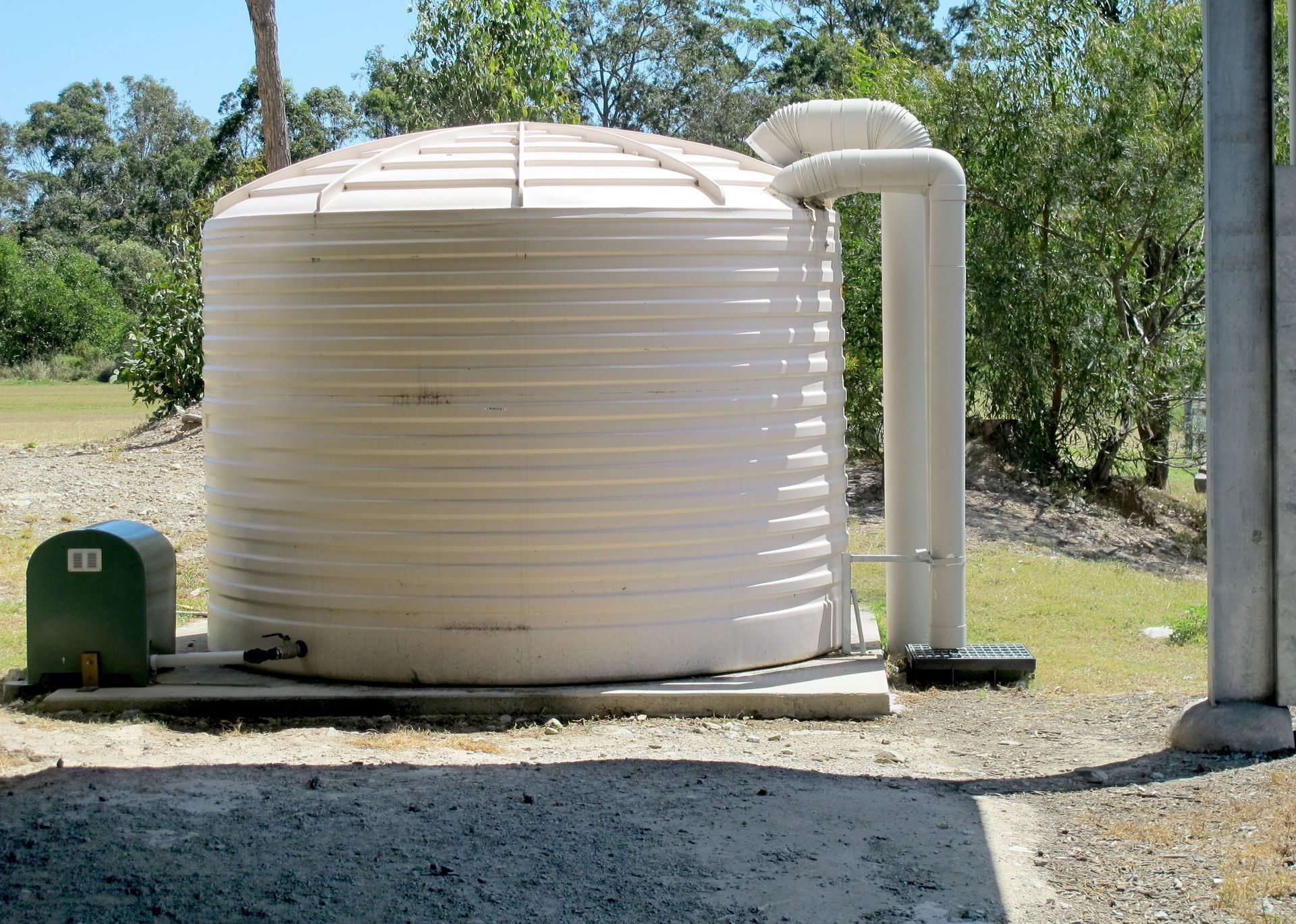
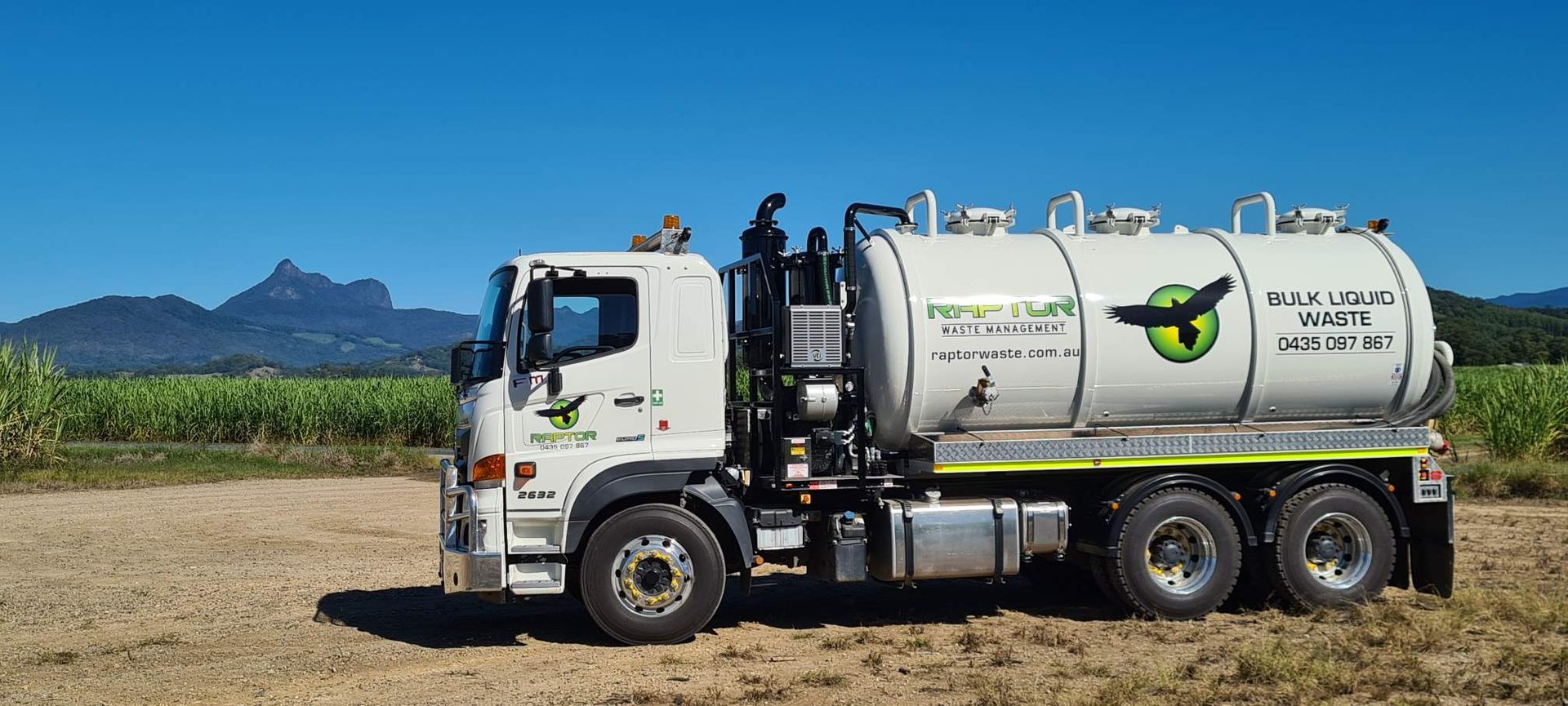
Commercial & Industrial Holding Tanks on the Gold Coast
We provide reliable septic and wastewater services with upfront pricing and fast support across the Gold Coast and Tweed Shire.
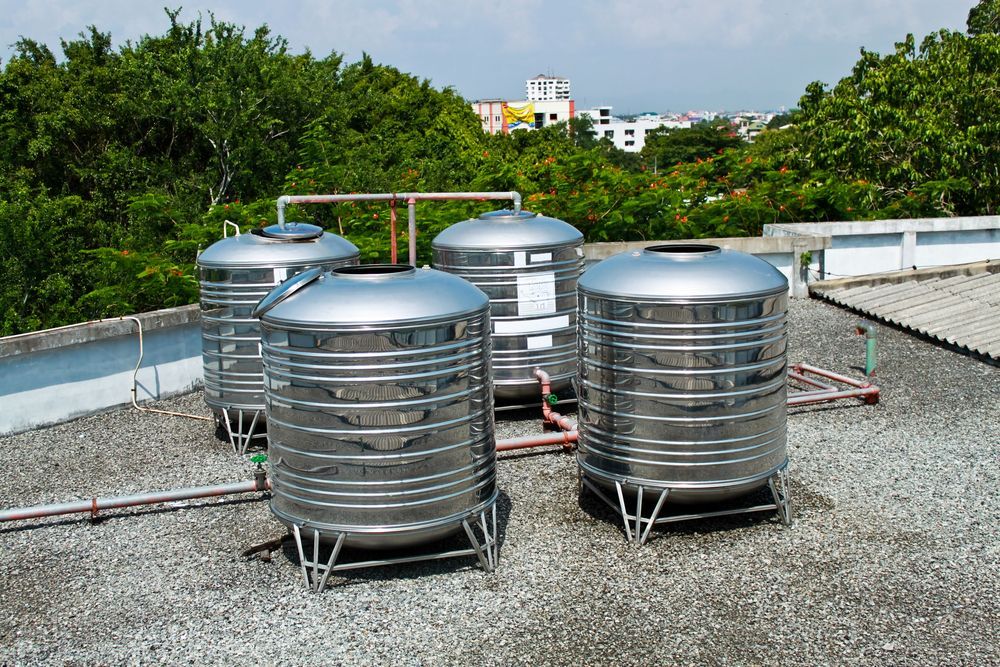
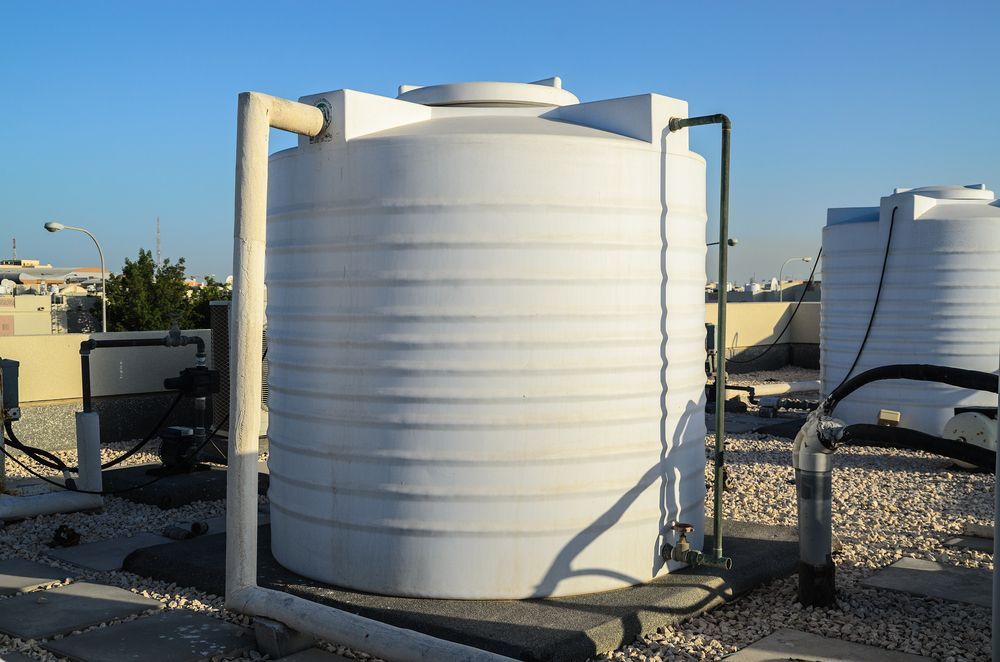
Holding Tanks for Heavy Use
Licensed & Insured
Eco-Friendly Options
Locally Owned & Operated
Raptor Waste Management manages holding tanks for commercial and industrial sites across the Gold Coast and the Tweed Shire.
We service holding tanks for workshops, warehouses, event sites and larger facilities that rely on consistent waste removal to keep operations running smoothly. We focus on safety, communication and timing so your team avoids unnecessary interruptions or delays.
For dependable commercial and industrial support, call 0435 097 867 to book a service.
Contact Us
Contact Us
Thank you for contacting Raptor Waste Management .
We will get back to you as soon as possible.
Please try again later.
Smart Solutions for High-Demand Waste Systems
Commercial and industrial sites rely on holding tanks that can cope with high volumes, so we complete detailed servicing that keeps each part working properly. We maintain holding tanks by checking access points, monitoring waste levels and using equipment suited to busy environments.
This helps prevent backflow, protect pumps and reduce the chance of sudden overflow during peak periods. We also share simple maintenance tips your staff can follow between visits.
If you’d like support planning ongoing servicing for your site, reach out today and we’ll be happy to assist.
What Our Customers Say
FAQ
How often should commercial or industrial holding tanks be emptied?
Frequency depends on the tank size, the type of business and how much wastewater the site produces. High-use facilities like workshops, hospitality venues and event sites often need more frequent servicing to avoid overflow. Regular emptying protects equipment, prevents odours and helps keep operations compliant with council and environmental rules.
Are holding tanks the same as septic tanks?
No. A holding tank stores wastewater until it is removed, while a septic tank treats wastewater on site. Commercial and industrial sites often use holding tanks because they produce more liquid waste or cannot install treatment systems. Holding tanks require regular pump outs to stay safe and functional.
What happens if a holding tank overflows?
An overflow can lead to contamination, strong smells, blocked lines and costly shutdowns. Overflowing tanks also pose safety risks for staff and visitors. Early signs, such as rising levels or slow drainage, should be taken seriously. Scheduled servicing helps prevent these issues and ensures the site remains safe and operational.